Few characters in modern superhero fiction inspire as much debate as Billy Butcher.
He’s not the strongest person in The Boys. He doesn’t wear a cape. He doesn’t fly. He doesn’t shoot lasers from his eyes—at least not naturally. Yet somehow, he’s the most dangerous man in the room whenever he appears.
As the ruthless leader of The Boys, Butcher exists in a moral grey zone that keeps audiences constantly questioning whether they’re watching a hero, a villain, or something much worse. He fights corrupt superheroes, but he often uses the same tactics that make those superheroes terrifying in the first place.
That’s what makes him unforgettable. Beneath the insults, violence, and endless thirst for revenge lies one of the most broken and compelling anti-heroes television and comics have produced in decades.
Billy Butcher Biography: The Bloody Genesis and Real Background
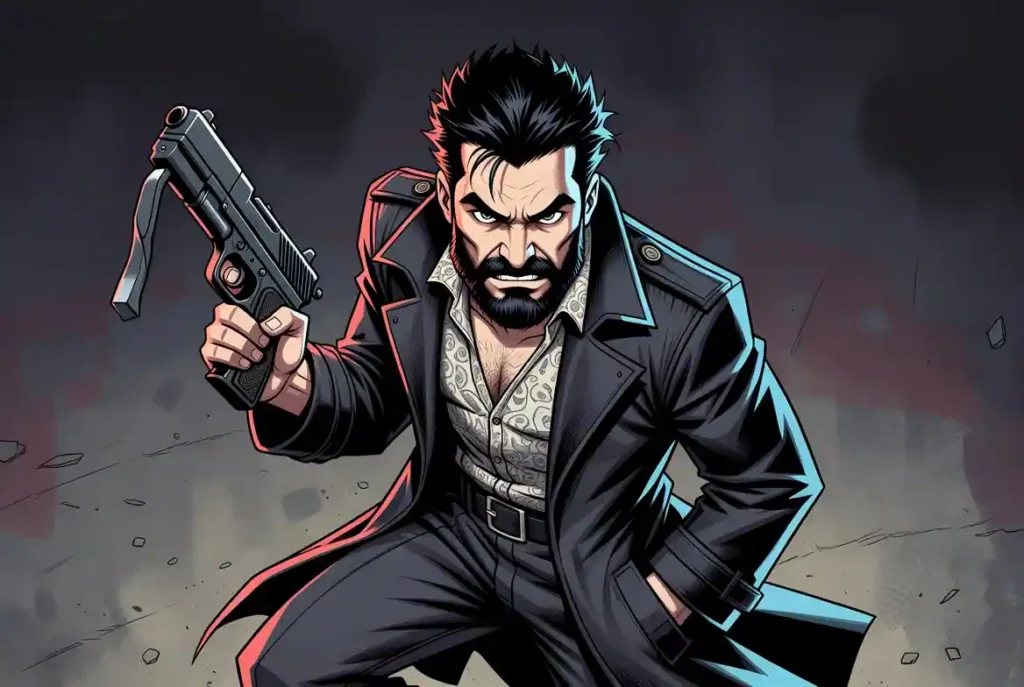
Before becoming the scourge of superheroes, Billy Butcher was a product of violence long before he ever encountered a Supe.
Both the comics and the Amazon adaptation portray him as someone shaped by a harsh upbringing. While the details differ, the core idea remains the same: Butcher learned early that the world isn’t fair and that weakness often gets punished.
His military background sharpened those beliefs.
Service in the armed forces gave him combat skills, tactical intelligence, and a willingness to do things most people would never consider. It also reinforced his tendency to view life as a battlefield where trust is a luxury.
Then came Becca Butcher.
For a brief period, Becca represented stability. She was the one person capable of pulling Billy away from his darker instincts. That happiness didn’t last.
In the original comics, Butcher believes Homelander sexually assaulted Becca, resulting in a super-powered pregnancy that killed her. The loss shattered him psychologically and became the foundation of his crusade against all Supes.
The television series changes the story dramatically. Becca survives and secretly raises Ryan, Homelander’s son. That single change transformed Butcher from a straightforward, revenge-driven character into someone forced to confront difficult emotional choices.
The character itself reflects creator Garth Ennis’ scepticism toward superhero mythology. Ennis has long criticised the idea of superheroes as flawless role models, and Butcher became his ultimate weapon against that concept.
Inside the Mind of Billy Butcher: Psychology, Motivations, and Fatal Flaws
Most revenge stories eventually evolve into stories about healing.
Billy Butcher never really got that memo.
Everything about his personality revolves around unresolved trauma. Every joke, every threat, every act of violence serves as armour protecting him from emotional vulnerability.
The easiest mistake viewers make is assuming Butcher wants justice.
He doesn’t.
Justice would mean accountability. Justice would involve rebuilding what was broken. Butcher wants punishment. He wants his enemies to suffer as much as he has suffered.
That’s a crucial difference.
His hatred for Homelander is so intense that it frequently blinds him to the consequences of his own actions. He manipulates allies, lies to friends, and sacrifices relationships whenever they interfere with his mission.
Yet audiences still sympathise with him.
Why?
Because beneath the rage is genuine pain.
You can see it in moments involving Becca. You can see it in his interactions with Ryan. You can even see it in rare conversations with Hughie where the mask briefly slips.
Fans constantly argue about Butcher online. Reddit threads often split into two camps. One side views him as a necessary force in a world dominated by corrupt superheroes. The other sees him as a cautionary tale about obsession.
The truth sits somewhere between those extremes.
Billy Butcher Superpowers Explained and How They Changed His Story
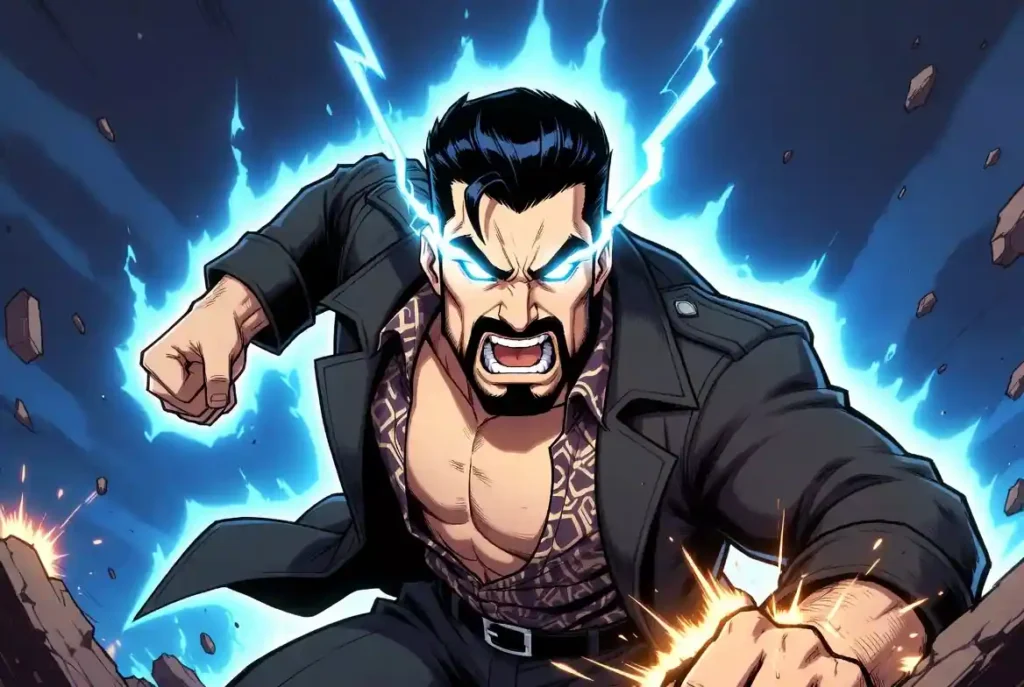
For most of his life, Butcher despised superheroes.
Then he became one.
At least temporarily.
The introduction of Temp V remains one of the most fascinating developments in his story because it exposes the contradictions at the centre of his character.
Temp V grants him powers remarkably similar to Homelander’s.
He gains enhanced strength capable of matching powerful Supes in combat. His durability increases dramatically. Most notably, he develops devastating heat vision that can slice through enemies with terrifying efficiency.
Fans loved seeing Butcher finally throw punches on equal footing with superheroes.
But the powers carried a deeper narrative purpose.
For years, Butcher claimed that power corrupts everyone. Then he gained power himself and immediately began making reckless decisions.
The irony wasn’t accidental.
The powers didn’t transform Billy into someone new. They amplified traits that already existed. His arrogance grew stronger. His willingness to take risks became even more dangerous.
In many ways, Temp V proved Homelander’s darkest point: power reveals who people already are.
Billy Butcher’s Wife Becca Butcher Explained: The Tragedy That Defined Him

No relationship shaped Billy Butcher more than his marriage to Becca Butcher.
Everything begins and ends with her.
In the comics, Becca’s death becomes the emotional fuel driving his war against superheroes. Every mission, every scheme, and every act of brutality traces back to that single loss.
The television adaptation adds greater complexity.
Instead of dying immediately, Becca survives and raises Ryan in secret. Suddenly, Butcher is forced to face a reality he never anticipated. Revenge isn’t enough anymore.
He must decide whether he can protect the family he still has.
The tragic part is that Butcher often struggles to prioritise people over vengeance.
Even when given opportunities to move forward, he keeps returning to old wounds.
That’s why Becca remains such a powerful presence throughout his story. She represents the life he could have lived if hatred hadn’t consumed him.
Major Story Arcs in Billy Butcher’s Biography and Character Evolution
At the beginning of The Boys, Butcher appears almost unstoppable.
He’s confident, calculating, and seemingly prepared for every situation.
But cracks begin to appear as the story progresses.
The revelation that Becca is alive forces him to reevaluate everything he thought he knew. His mission suddenly becomes more complicated than simple revenge.
Then Ryan enters the picture.
Ryan represents hope, redemption, and the possibility of breaking destructive cycles. He’s also a constant reminder that Butcher’s hatred could eventually destroy the very people he’s trying to protect.
The Temp V storyline pushes this conflict even further.
Faced with the opportunity to gain power, Butcher chooses the very thing he spent years condemning. It’s one of the character’s most revealing moments because it demonstrates how easily principles collapse when obsession takes over.
His evolution isn’t a straight path toward becoming better.
It’s a constant battle between humanity and vengeance.
Billy Butcher and Hughie Campbell: A Toxic Brotherhood
The relationship between Billy Butcher and Hughie Campbell sits at the emotional centre of The Boys.
At first glance, Butcher seems like a mentor.
He’s experienced. Hughie isn’t.
He’s fearless. Hughie isn’t.
He’s willing to fight back. Hughie is still figuring out who he wants to be.
But the relationship quickly becomes more complicated.
Butcher frequently manipulates Hughie. He withholds information, pushes him into dangerous situations, and uses emotional pressure to keep him involved.
Yet it’s impossible to deny the affection underneath.
There are moments when Butcher genuinely cares about Hughie. He protects him, worries about him, and occasionally treats him like the younger brother he never had.
That’s what makes their dynamic so fascinating.
The affection is real.
The manipulation is real, too.
Billy Butcher vs. Homelander: The Ultimate Rivalry Explained
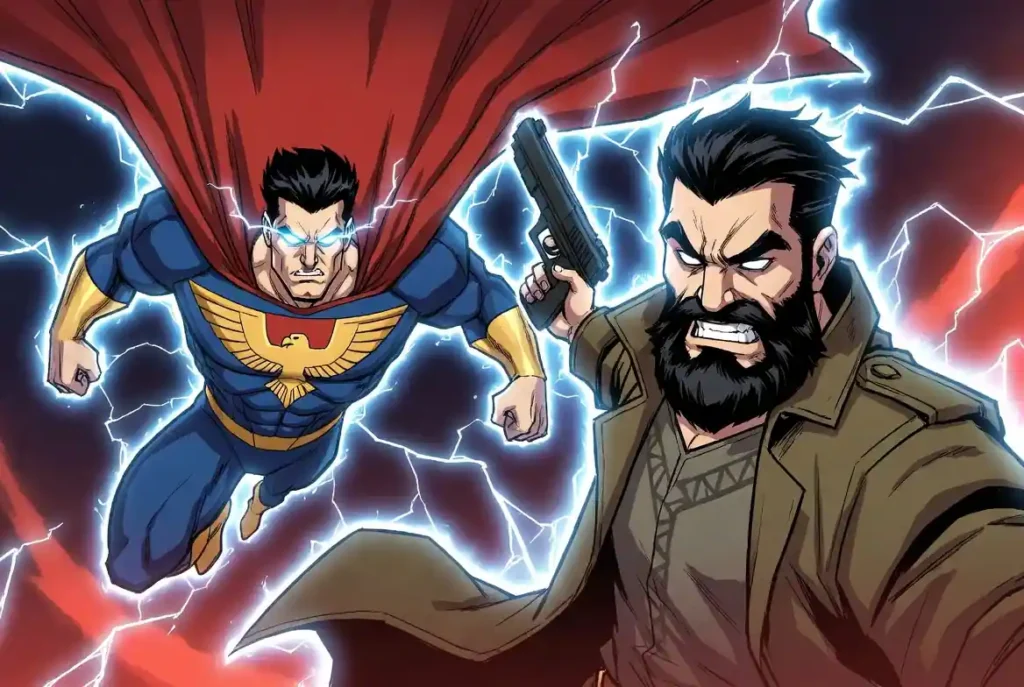
Every great hero needs a villain.
Every great villain needs a mirror.
Homelander serves as both.
On the surface, Butcher and Homelander seem completely different. One is a powerless human. The other is essentially a god.
Look closer, though, and the similarities become disturbing.
Both men are deeply damaged.
Both struggle with trust.
Both use fear to control situations.
Both allow trauma to dictate their decisions.
The biggest difference is how they respond to power.
Homelander seeks worship.
Butcher seeks destruction.
Their rivalry works because neither man can fully defeat the other without confronting parts of himself he desperately wants to ignore.
Billy Butcher Comic vs. Show Differences Explained
While the Amazon series remains faithful to the spirit of the character, several major differences separate the two versions.
Comic-book Butcher is considerably darker.
He’s colder, more ruthless, and far less interested in redemption. His plans often involve extreme casualties, and he rarely hesitates when difficult choices arise.
The television version retains many of those traits but introduces greater emotional depth.
A huge reason for that success is Karl Urban, whose performance injects vulnerability beneath the character’s intimidating exterior. Viewers see grief, guilt, and regret that aren’t always as visible in the comics.
The treatment of Becca is another major difference.
Her survival in the show creates emotional stakes that simply don’t exist in the original source material.
As a result, TV Butcher feels more conflicted, while comic Butcher feels more inevitable.
Billy Butcher Comic Death Explained: How the Character Really Ends
One of the most shocking aspects of the original comics is how Billy Butcher’s story ends.
After years of fighting superheroes, he reaches a horrifying conclusion.
To Butcher, anyone connected to Compound V becomes a threat.
Not some of them.
All of them.
His final plan involves eliminating countless individuals associated with superhuman abilities, regardless of whether they’re innocent.
At that point, he’s crossed a line that even his closest allies can’t ignore.
The ultimate confrontation comes with Hughie Campbell.
Realising Butcher has become consumed by the same extremism he once claimed to oppose, Hughie stops him permanently.
He kills Billy Butcher.
It’s a brutal ending, but also a fitting one.
The man who dedicated his life to destroying monsters ultimately became one himself.
Billy Butcher’s Legacy and Cultural Impact on Modern Superhero Stories
The popularity of Billy Butcher says a lot about modern audiences.
Traditional superheroes often represent ideals.
Butcher represents frustration.
He’s the embodiment of what happens when people lose faith in institutions, corporations, and powerful public figures. His war against superheroes mirrors broader anxieties about celebrity culture and unchecked authority.
That’s why audiences continue rooting for him despite recognising his flaws.
He’s messy.
He’s toxic.
He’s frequently wrong.
Yet he refuses to accept a world where powerful people operate without consequences.
That contradiction keeps him relevant.
Years after his debut, fans still debate whether Billy Butcher is secretly a hero, secretly a villain, or simply a broken man trying to survive in a broken world.
The fact that nobody can fully agree may be the strongest proof of how well the character was written.
The Last Laugh
Billy Butcher isn’t the hero of The Boys because he saves the world. He’s the hero—or villain—because he forces us to question what we’re willing to become when revenge becomes more important than healing.
Long after the bloodshed ends, Billy Butcher remains one of the most unforgettable anti-heroes comic books and television have ever produced.